Services

Habit Breaking Appliances At Smile Mantra

Transform Your Smile with Our Habit-Breaking Appliances: Effective Solutions for Orthodontic Success

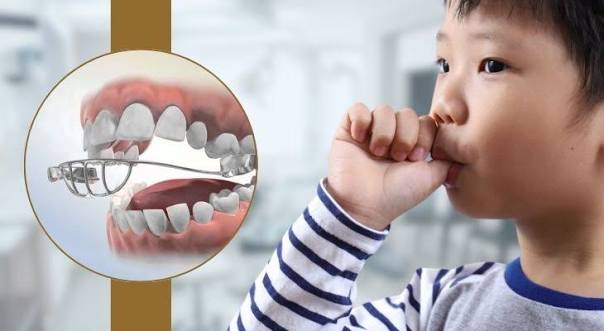
Habit breaking appliances are orthodontic devices specifically designed to help children overcome detrimental oral habits that can affect the growth and alignment of their teeth and jaws. Common habits such as thumb sucking, tongue thrusting, and prolonged use of pacifiers can lead to dental issues if not corrected early. These appliances work by making it difficult or uncomfortable for children to continue the habit, thus encouraging them to stop.

20%
Off

Flat 20% Off on All Dental Treatments

Common Types of Habit Breaking Appliances

Purpose: A thumb or finger guard is designed to stop thumb or finger sucking by making it uncomfortable or difficult for the child to continue the habit.

Design: It is a small, plastic device that is worn over the thumb or finger and is typically attached to a wristband or around the wrist. Some versions may be installed inside the mouth.

Palatal Crib/Crib Appliance

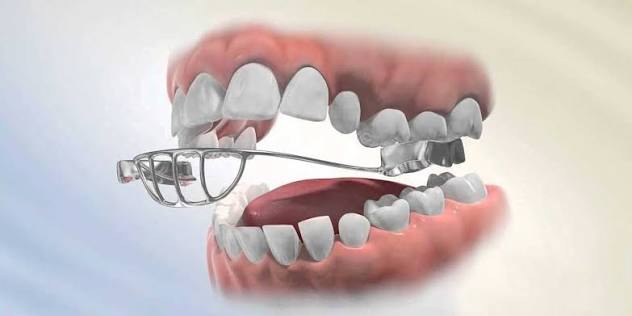
  1. Purpose: The palatal crib is used to prevent tongue thrusting and thumb sucking by blocking the space behind the front teeth, making it difficult to continue these habits.
  2. Design: The crib is a metal structure that is attached to the upper molars and extends to the front of the mouth, creating a barrier.
    Benefits:
    • Helps correct the positioning of the tongue, preventing it from pushing against the teeth during swallowing or at rest.
    • Stops thumb sucking by making it uncomfortable, thus reducing the risk of developing a high arched palate or open bite.

Tongue Rake/Tongue Crib

  1. Purpose: Similar to the palatal crib, a tongue rake is designed to discourage tongue thrusting, which can push the teeth out of alignment over time.
  2. Design: This appliance consists of small prongs or a mesh-like barrier attached to the upper molars, positioned to intercept the tongue when it moves forward excessively.
    Benefits:
    • Promotes proper tongue posture by preventing the tongue from thrusting against the teeth.
    • Aids in correcting speech issues and dental alignment problems associated with tongue thrusting.